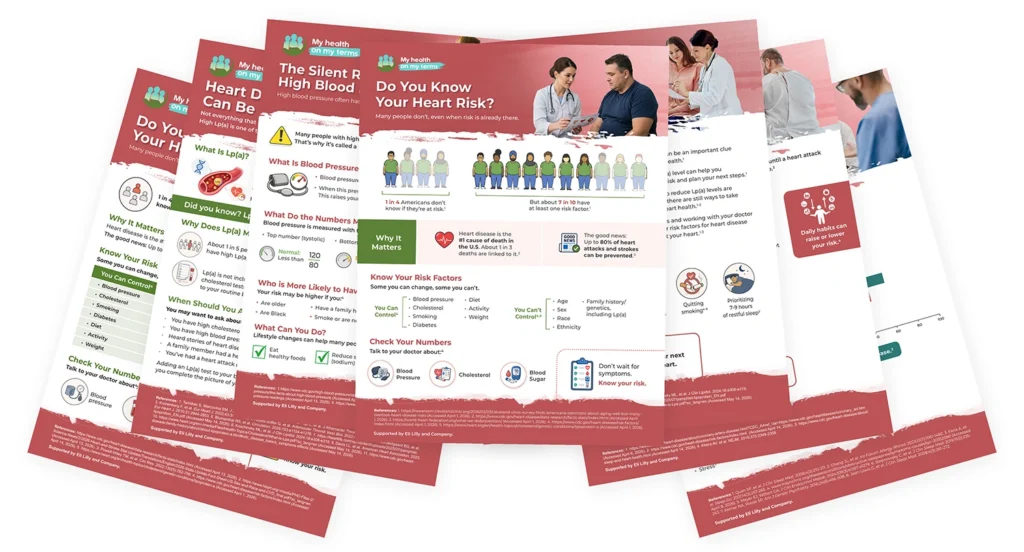
Heart disease is the leading cause of death in the United States.1
Knowing your risk factors can help you stay healthy for your job, your family, and yourself.2
What Is Heart Disease?
Heart disease, also called cardiovascular disease (CVD), is a group of conditions that affect the heart and blood vessels. It often happens when plaque forms inside the arteries. Over time, this plaque can narrow or block blood flow. This can lead to serious problems like a heart attack or stroke.3
Did you know?
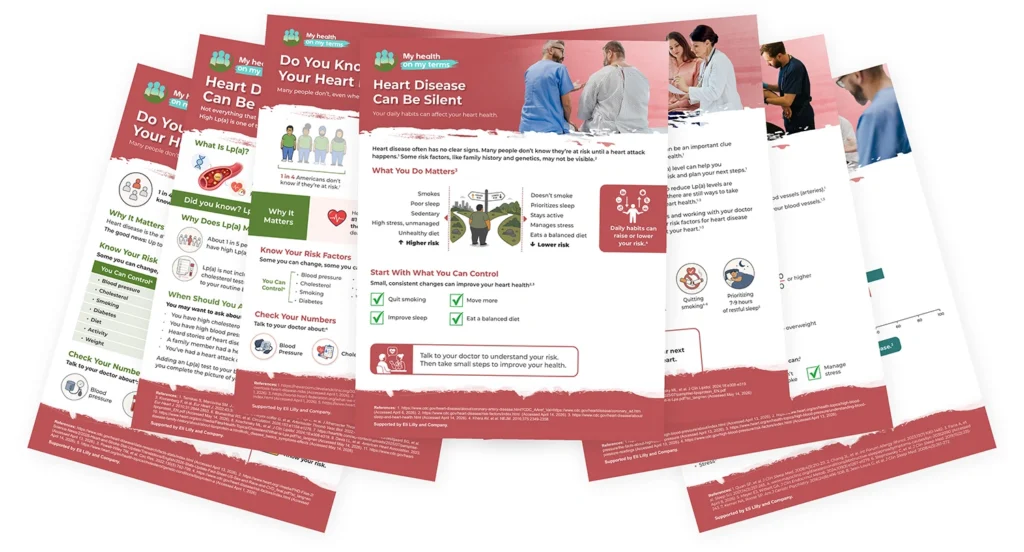
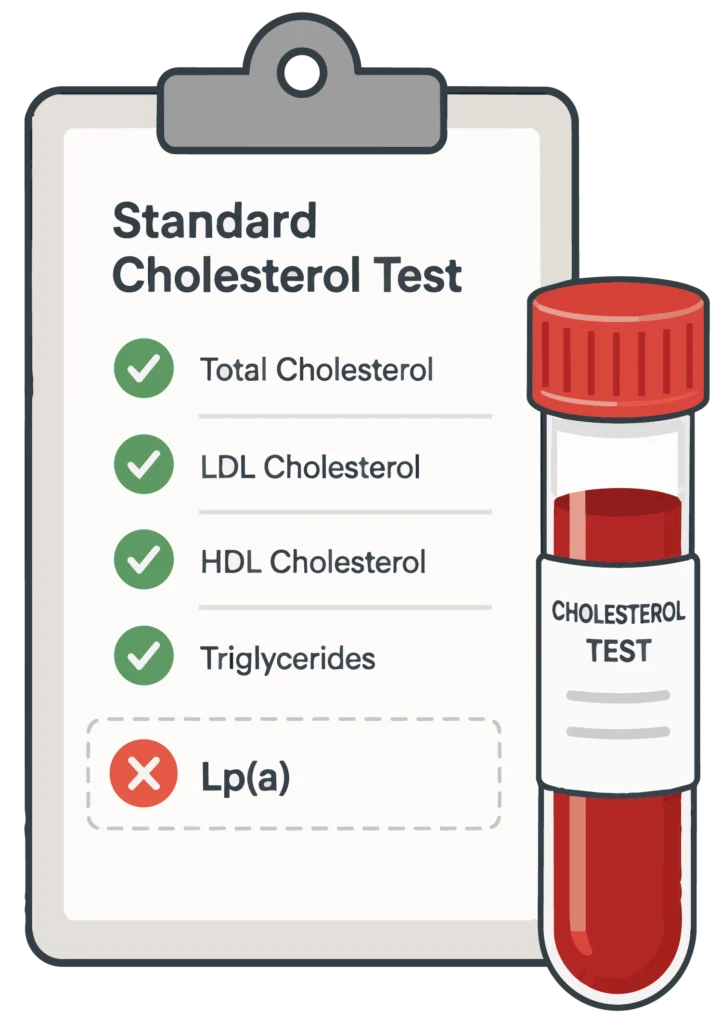
Many people with heart disease risk factors have no clear symptoms.4
Why Does Heart Health Matter?
Heart disease can affect people during their working years, not just later in life.4
99% of Americans with heart disease had at least one risk factor before experiencing a heart attack or stroke.5
The good news? Many risk factors can be managed.
Some risks are linked to daily habits. Others are health conditions that can be treated or controlled.4
Lifestyle factors4
Poor diet
Low physical activity
Alcohol use
Smoking
Health conditions4
High blood pressure
High LDL (“bad”) cholesterol
Diabetes
Obesity
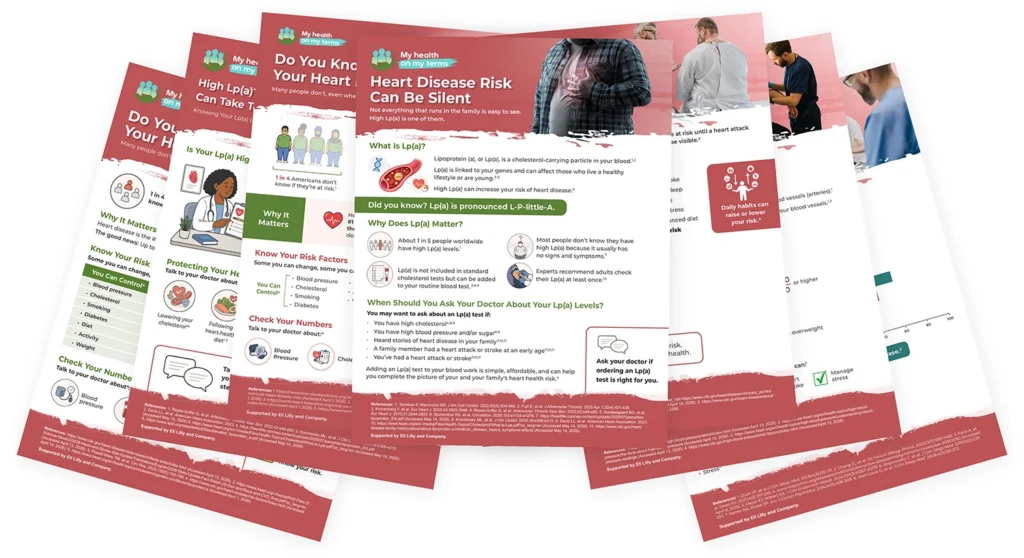
Genetics
How Do Genetics Risk Factors Impact Heart Health?
A genetic risk factor is something in your genes that you inherit from your parents. It can raise your chance of getting a disease. For heart disease, this can include having a family history of heart disease, your ethnicity, and whether you are biologically male or female.6
Did you know?
Genetics account for 20-30% of your risk for heart disease7
In the United States, 14% of families account for 72% of all premature heart disease events8
Children of parents with early heart disease have a 60-75% higher risk of developing heart disease9
A Simple Next Step
You can ask:
What is my overall heart risk?
Are my blood pressure and cholesterol in a healthy range?
You may want to ask your doctor about your genetic risk for heart disease if you:
Have a personal history of early heart disease
Have a family history of heart disease at a young age
Have high cholesterol that is hard to control
How Does Heart Health Connect to Weight and Sleep?
Your heart health is connected to other parts of your health.
Obesity and obstructive sleep apnea have both been linked to high blood pressure and heart disease.10,11